What is a renewable energy wire harness?+
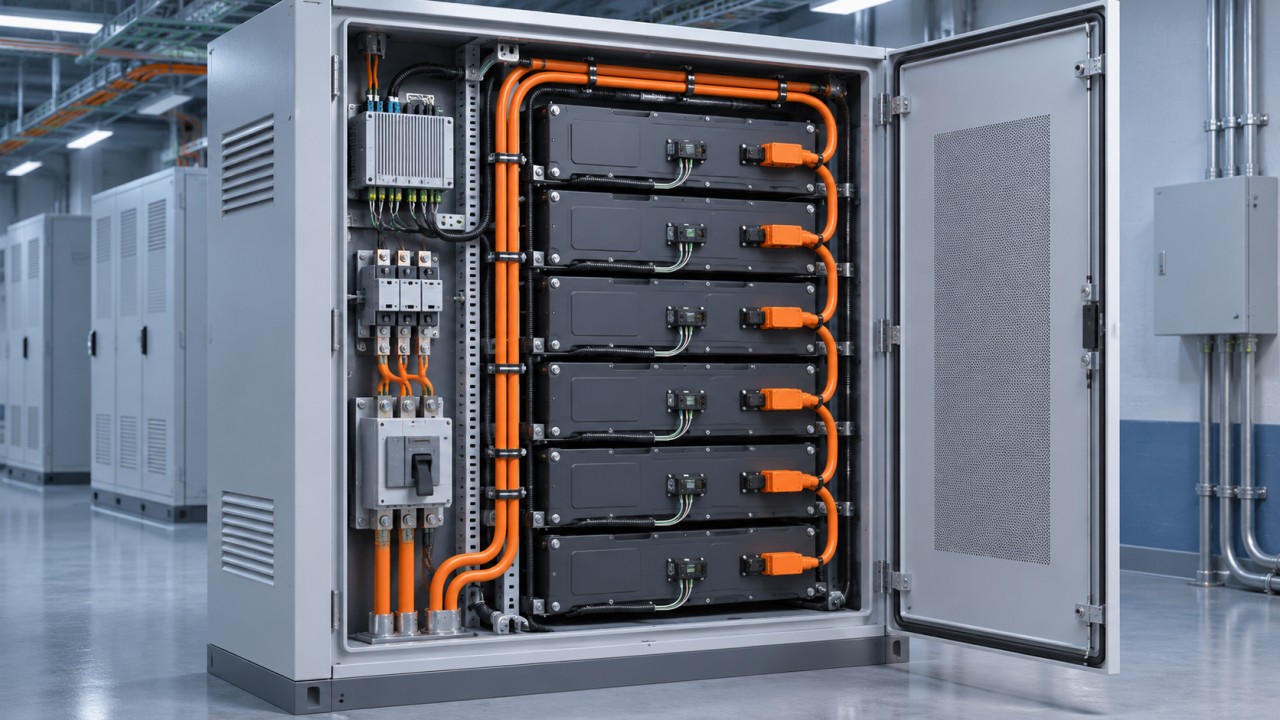
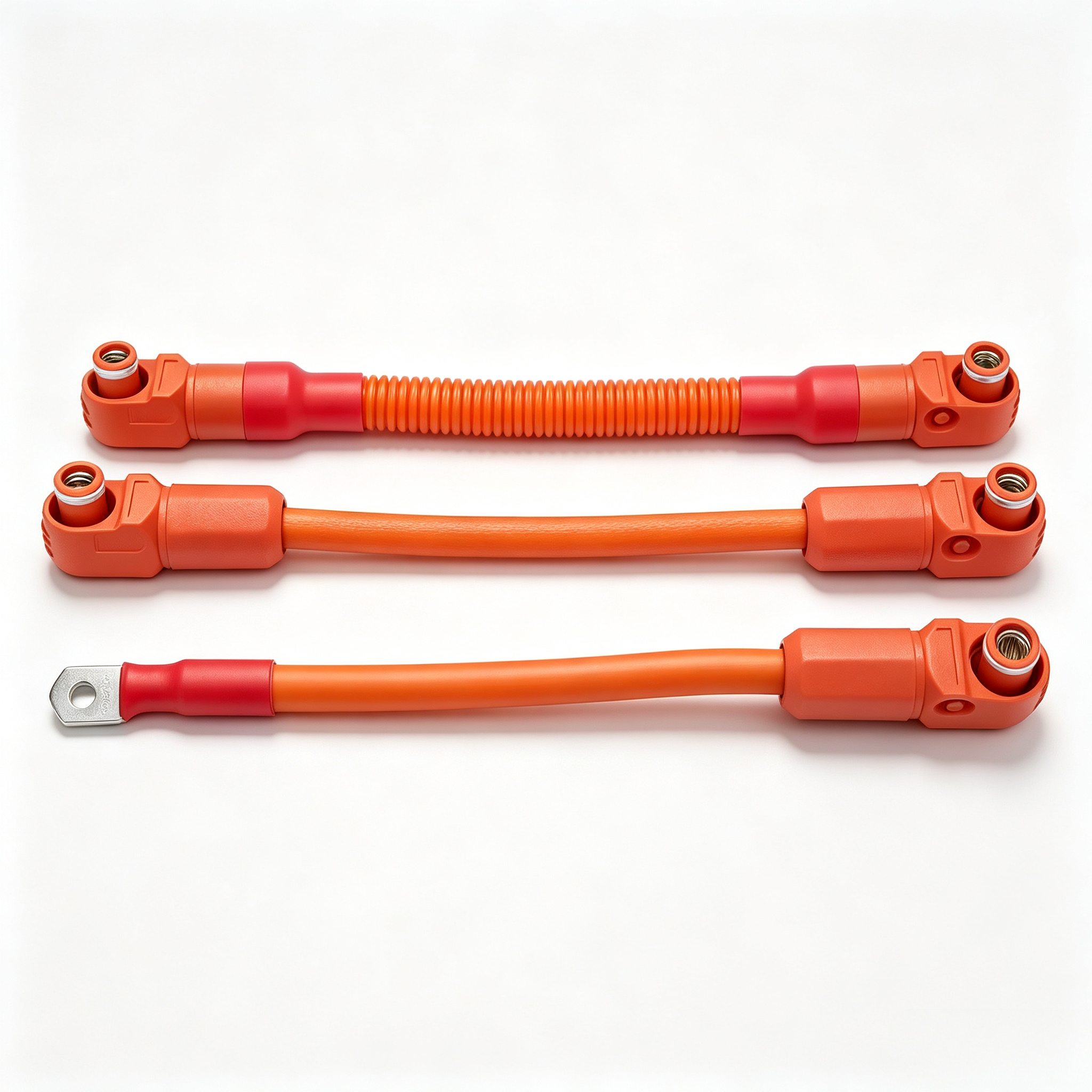
A renewable energy wire harness combines specified wires, contacts, connectors and protective parts for power, control or monitoring connections in energy equipment. Its construction follows the equipment architecture, electrical requirements, routing and operating environment.
Which renewable energy assemblies can XSD review?+
XSD can review build-to-print harnesses and cable assemblies for battery energy storage, inverters, battery packs, combiner boxes, trackers and monitoring equipment. Provide the circuit, component references and inspection requirements for the particular assembly.
How is this different from a solar cable assembly?+
Solar cable assemblies focus on connections in photovoltaic equipment and circuits. A broader energy-equipment harness can also include battery power links, inverter internal wiring, sensors and control connections. Each circuit needs its own specification.
Can you support battery energy storage wiring?+
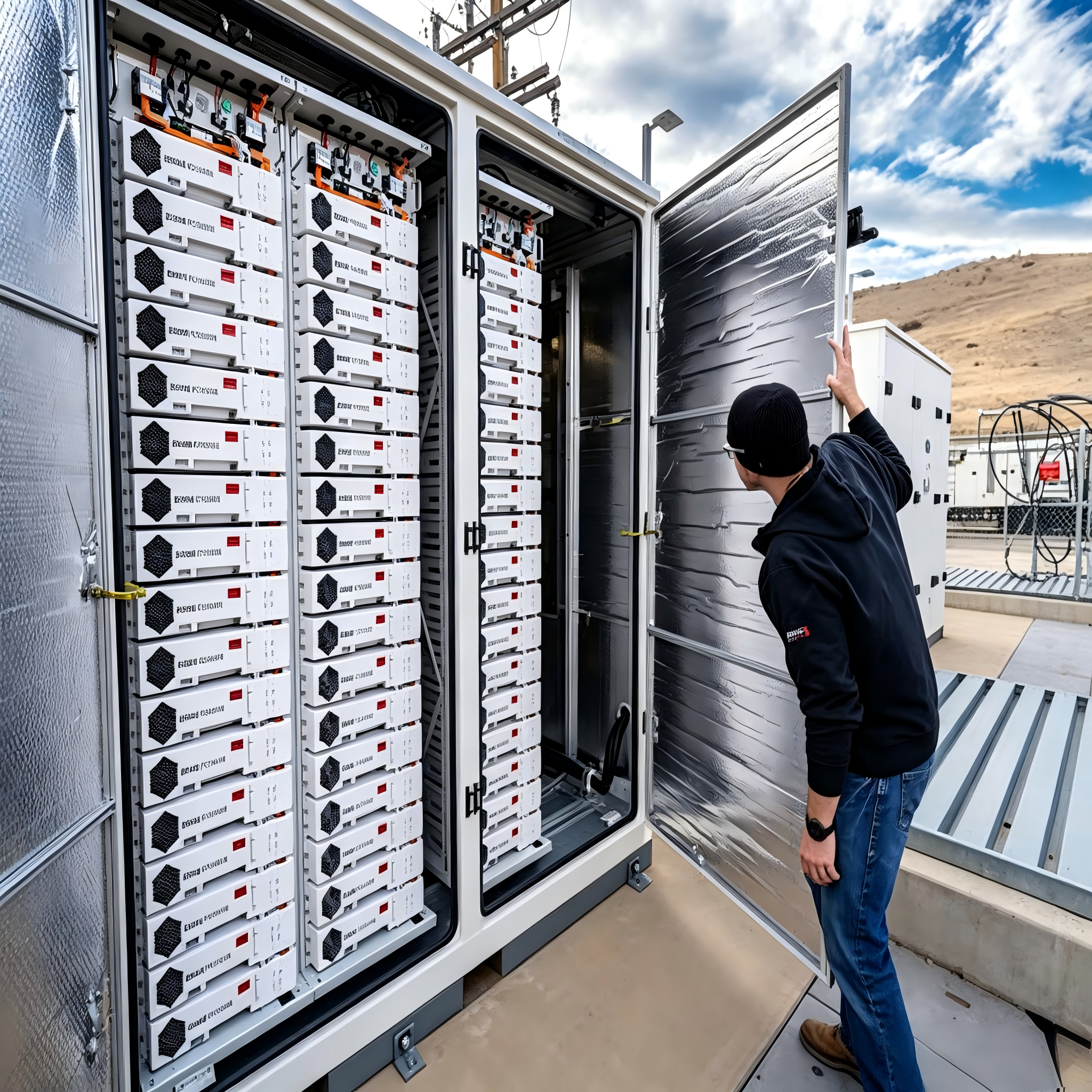
Battery power, control and monitoring connections can be reviewed against the customer’s design. Define the current paths, voltage requirements, polarity, pinout, routing, component references and acceptance criteria. The assembly scope is separate from complete BESS design or certification.
Do you manufacture harnesses for wind-energy equipment?+
Send the exact subsystem and drawing for a feasibility review. Wind installations can involve moving cable routes, vibration, temperature and service-access requirements. Do not assume a general energy harness is qualified for nacelle, pitch, yaw or rotating-service use without a defined validation scope.
What voltage and current ratings are available?+
Ratings are project-specific and depend on the selected cable, contacts, connectors, insulation, installation conditions and complete assembly design. Send operating requirements and any test voltages separately. XSD reviews these inputs before confirming the manufacturing scope.
Can any similar-looking PV connectors be mated?+
No. Identify both mating components by manufacturer, family and part number, and follow their approved mating instructions. Stäubli warns against cross-mating its PV connectors with other manufacturers’ products. Similar shape or a compatibility label alone is not sufficient.
Are environmental protection and product certifications included?+
Specify required protection, test conditions, market standards and documents in the RFQ. A component IP rating does not establish the finished harness rating. Company ISO 9001 and IATF 16949 quality systems are distinct from product or complete-system approvals.
What should I send for samples and a quotation?+
Send the current drawing, BOM, pinout, cable references, dimensions, installation conditions, sample quantity and production forecast. Include inspection limits, packaging, revision and documentation requirements. Timing and quantity commitments are reviewed for the actual parts and processes.